


Isaac Sim Basics#
If you are new to NVIDIA Isaac Sim, start here. The first two tutorials introduce the interface and basic robot interaction. The Python and Core API material then explains the available scripting methods and builds toward complete scripted simulations.
Start with the Interface#
Use the Basic Usage and Basic Robot tutorials to learn the user interface, add objects and robots, inspect properties, and run a simulation. Most GUI actions are also available through Python, and scenes created in the GUI can be saved as USD and loaded by a standalone script.
Continue with Python and the Core API#
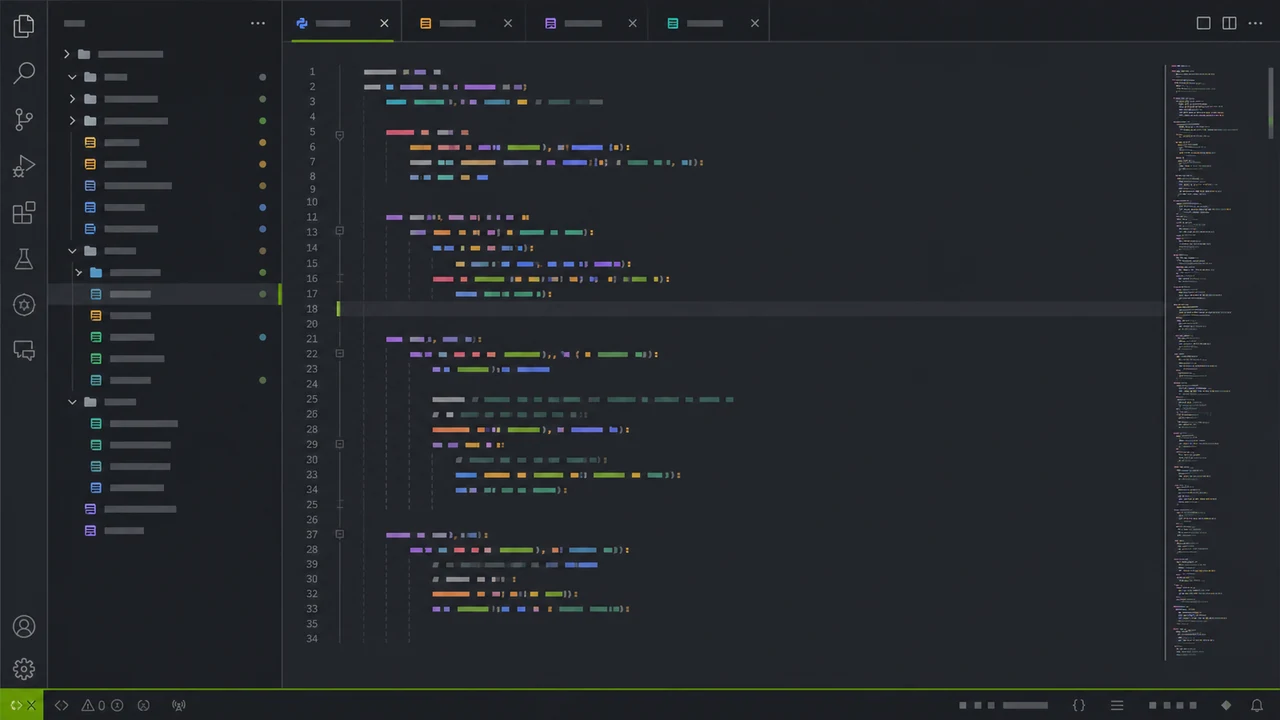
Review Standalone vs Interactive Python before choosing a scripting method. Then explore the Core Experimental API, Core API Overview, and Coding Style Guidelines before following the Core API Tutorial Series to create scenes, control robots and manipulators, coordinate multiple tasks, and add physics-ready props.
For Beginners: Robot Setup Tutorials#
If you are new to NVIDIA Isaac Sim and want to learn how to set up and rig robots, we strongly recommend exploring our comprehensive Robot Setup Tutorials. These tutorials will teach you:
How to set up environments and stages
How to assemble and rig robots from basic shapes
How to add joints, articulations, and sensors
How to import and configure manipulators
Advanced techniques for complex robot structures
The Robot Setup Tutorials are designed as a complete learning path that takes you from basic concepts to advanced robot rigging techniques. They are perfect for beginners who want to understand how to work with robots in Isaac Sim.
Start here: Tutorial 1: Stage Setup
What’s Next#
After completing Isaac Sim Basics or the Robot Setup Tutorials, explore these additional resources:
Examples and Demos: Access a library of examples and demos in Examples to explore use-cases and capabilities of NVIDIA Isaac Sim
Available Assets: Browse the Assets section to see what assets are available to you
Gallery View: Browse the Learn Gallery for topic-specific tutorials, tool references, and developer guides